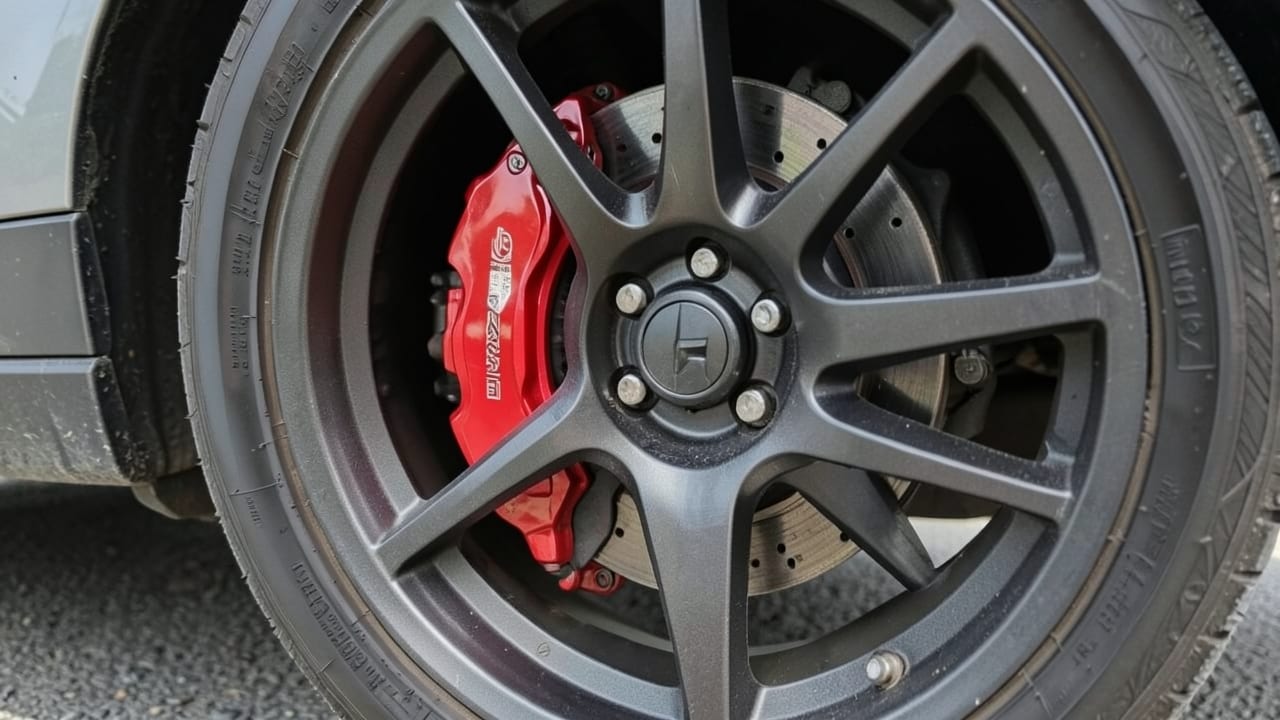
Wheel & Brake Caliper Ceramic Coating in Smithtown, NY
Wheel & Brake Caliper Ceramic Coating for Smithtown, NY vehicles — Smithtown is a nearby community roughly 8.2 miles southwest of Setauket..
Wheel & Brake Caliper Ceramic Coating in Smithtown, NY is booked through this page, and what follows is what the job actually involves. Vehicle owners in Smithtown, NY, face harsh winters with heavy road salt and de-icer exposure that can damage wheel and brake caliper finishes. Our ceramic coating service provides a durable, protective layer to shield these components from corrosion and wear. Conveniently located just 8.2 miles southwest of Setauket, we cover every regular route in the area, ensuring your vehicle stays protected year-round.
Why wheel & brake caliper ceramic coating matters in Smithtown
In Smithtown, NY, dense suburban roads see heavy use of de-icing salts and chemicals during harsh winters, accelerating rust and corrosion on wheel and brake caliper surfaces. Wheel & Brake Caliper Ceramic Coating provides a durable, protective layer that shields these components from salt damage, maintaining their appearance and performance. For vehicle owners navigating Smithtown’s treated streets, this service extends the life of critical parts while reducing long-term maintenance costs.
This service is also available via Wheel & Brake Caliper Ceramic Coating and Smithtown, NY.
What wheel & brake caliper ceramic coating actually involves, step by step
Foam pre-wash and wheel cleaning. The vehicle gets a foam pre-wash and a separate wheel-and-tire cleaning pass first, using different wash mitts for paint and wheels, since brake dust and road grime carried from the wheels onto the paint surface is a common source of fine scratching in the steps that follow.
Chemical decontamination. An iron remover strips embedded brake-dust particles out of the clear coat, and a tar or bug remover lifts road tar and insect residue, both applied before any mechanical contact with the paint, since these contaminants sit below what a wash mitt alone can reach.
Clay bar treatment. A clay bar or clay mitt is worked across every panel with a lubricant to pull out the remaining bonded contaminants — overspray, industrial fallout — leaving the paint surface physically smooth to the touch, which is the actual test that decontamination is complete.
Paint inspection and correction. The paint is inspected under raking light for swirl marks and light scratches, and a correction polish is run where needed, because a coating applied over existing swirl marks locks that texture in permanently instead of hiding it.
Panel wipe-down. Every panel gets a final wipe with isopropyl alcohol solution immediately before coating, removing any polish or wax residue left behind, since coating bonds to bare clear coat and any oily residue left on the surface is what causes an uneven, patchy cure.
Coating application and cure. The coating is applied panel by panel in a controlled, dust-free space at a specific humidity and temperature range, then left undisturbed for the cure period the product calls for before the vehicle is exposed to rain or a wash.
What goes wrong when wheel & brake caliper ceramic coating is done badly
Coating over unfinished swirl marks. Skipping paint correction and applying coating directly over existing swirl marks and light scratches does not hide that texture — it seals it in permanently under a hard layer, since ceramic coating is a clear, thin film that follows the surface underneath rather than filling it in.
Bonding failure from residual oils. Any wax, sealant, or polish oil left on the panel from a previous product, or from the correction step itself, prevents the coating from bonding evenly to the clear coat, which shows up later as high spots, streaking, or patches that wear through faster than the rest of the panel.
Curing in the wrong conditions. Applying coating outside the temperature and humidity range the product is rated for can cause it to flash-cure too fast, leaving visible high spots and streaks in the finish that have to be polished back out and reapplied rather than settling on their own.
Water exposure before the cure period ends. Getting the vehicle wet — rain, a wash, even heavy dew — before the coating has fully cured leaves water-spot marks in the surface, since the coating hasn't finished hardening enough yet to resist mineral deposits from standing water.
How to choose who does the work in Smithtown
Does the quote include paint correction before the coating is applied, or coating only? Coating applied over unaddressed swirl marks locks those imperfections in rather than fixing them. Is the full prep chain — wash, decontamination, clay bar, iron remover, panel wipe — specified, or just 'prep' as one line? Skipping steps like iron removal or clay bar leaves contaminants under the coating, which shortens how well it holds up. What coating tier is being quoted — SiO2 vs. graphene, single-layer vs. multi-layer — and what protection length does that tier typically carry in the market? Tiers vary widely in durability and price, so it helps to know exactly which one is being quoted. Is a written explanation of proper post-coating maintenance — wash method, curing window, products to avoid — provided? Incorrect washing during the curing period can compromise how well a coating bonds. Does the quote distinguish exterior paint coating from wheel, interior, or window coating packages? These are often priced and sold as separate add-ons even when marketed together. Is it explained clearly that coating does not stop rock chips or deep scratches? Coatings add hardness against light swirling but not impact protection, and that distinction is where overselling most often happens.
A quote listing 'coating' as a single line item with no breakdown of the prep steps. Prep quality — decontamination, clay bar, iron removal — affects how well a coating bonds, and a bid that skips describing it may be skipping the steps too. A tier described only by price, with no protection length or product type specified. Tiers vary widely in durability, and a price with no spec behind it is hard to compare to another bid. A price dramatically lower than every other quote for the same vehicle and tier. An unusually low price can mean a thinner coating, skipped decontamination steps, or a shorter-lasting product sold as a premium one. No explanation of post-coating maintenance or the curing window. Washing a freshly coated vehicle too soon, or with the wrong products, can compromise how the coating bonds. Any claim that the coating will stop rock chips, dents, or deep scratches. Coatings add surface hardness against light swirling, not impact protection, and a shop that blurs that distinction is overselling what the product does.
Full-Barrel Coverage
Whenever possible we pull the wheels off the vehicle to coat the full barrel and face, protecting surfaces that can't be reached while the wheel is mounted, then apply a high-temperature ceramic formulated specifically to withstand the heat cycles near the brakes rather than a body-panel product pushed past its rated temperature.
Reach out for a firm quote on wheel & brake caliper ceramic coating in Smithtown; the same scheduling and pricing apply here as anywhere else covered.
See Wheel & Brake Caliper Ceramic Coating in Coram, NY for more — or check out the rest of our Setauket lineup by service type for our complete service area.
Serving Smithtown, NY
Ready to get started?
Talk to a local ceramic coating pro serving Smithtown, NY — get a written quote.
Other Services We Offer in Smithtown, NY
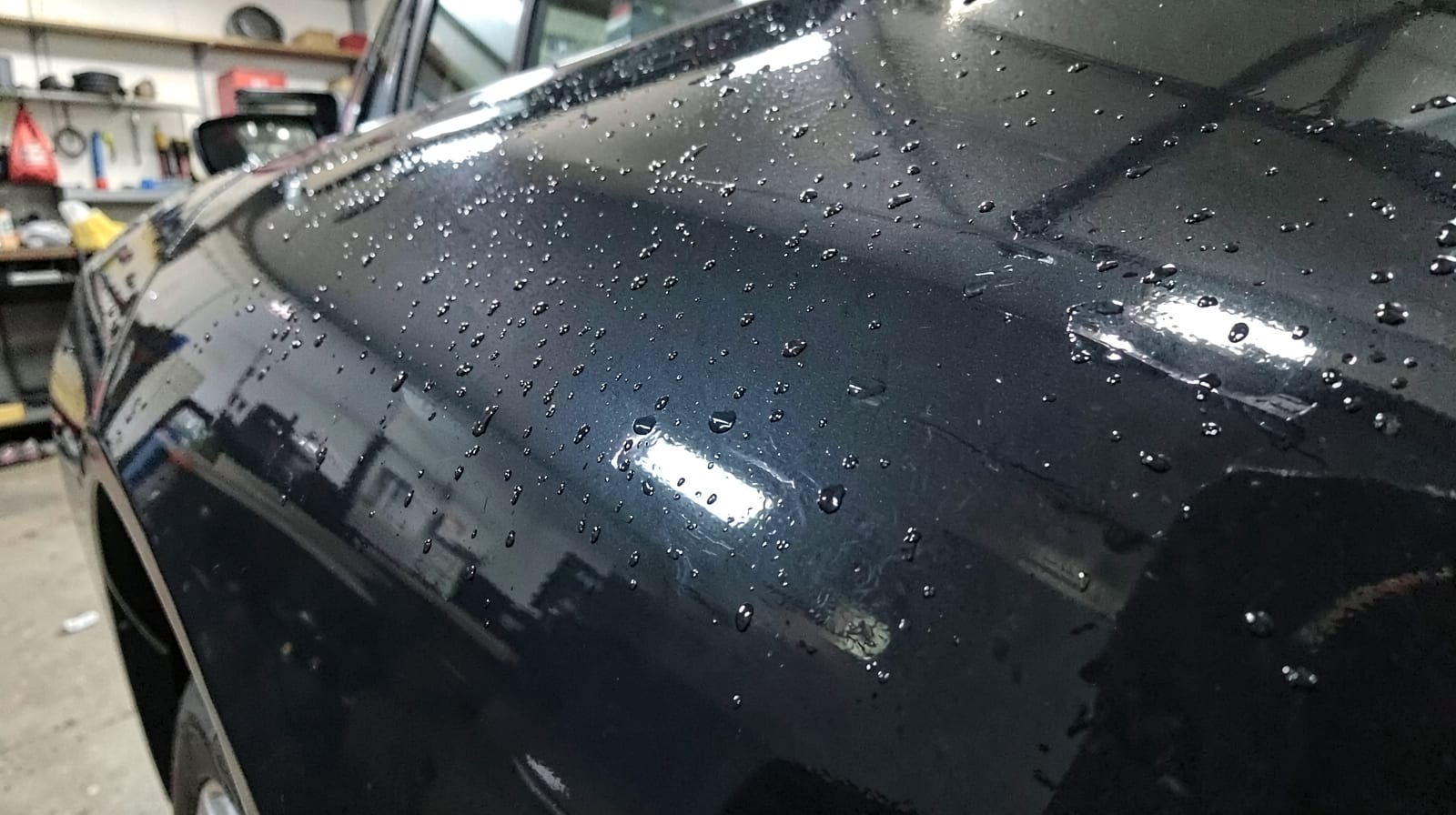
Full-Vehicle Ceramic Coating in Smithtown, NY
Full-Vehicle Ceramic Coating for Smithtown, NY vehicles — Smithtown is a nearby community roughly 8.2 miles southwest of Setauket..
Learn More
Paint Correction & Polishing in Smithtown, NY
Paint Correction & Polishing for Smithtown, NY vehicles — Smithtown is a nearby community roughly 8.2 miles southwest of Setauket..
Learn MorePaint Protection Film (PPF) Installation in Smithtown, NY
Paint Protection Film (PPF) Installation for Smithtown, NY vehicles — Smithtown is a nearby community roughly 8.2 miles southwest of Setauket..
Learn MoreCeramic Window Tint in Smithtown, NY
Ceramic Window Tint for Smithtown, NY vehicles — Smithtown is a nearby community roughly 8.2 miles southwest of Setauket..
Learn MoreInterior Ceramic Protection in Smithtown, NY
Interior Ceramic Protection for Smithtown, NY vehicles — Smithtown is a nearby community roughly 8.2 miles southwest of Setauket..
Learn MoreHeadlight Restoration & Coating in Smithtown, NY
Headlight Restoration & Coating for Smithtown, NY vehicles — Smithtown is a nearby community roughly 8.2 miles southwest of Setauket..
Learn MoreThe same service is also covered in Coram, NY , on the same terms.
Common Questions About Ceramic Coating in Smithtown, NY
Everything you need to know about ceramic coating services in Smithtown, NY
How much does Wheel & Brake Caliper Ceramic Coating typically cost in Smithtown, NY?
Does coastal salt air affect how a ceramic coating performs in Smithtown, NY?
Can ceramic coating be applied over a vinyl wrap or matte paint?
What does proper paint prep before a ceramic coating actually involve?
How should a coated vehicle be washed after the coating is applied?
Need Ceramic Coating in Smithtown, NY?
Get a written quote from our Smithtown, NY crew.
⏰ We answer your call • Serving all of Smithtown, NY and surrounding areas