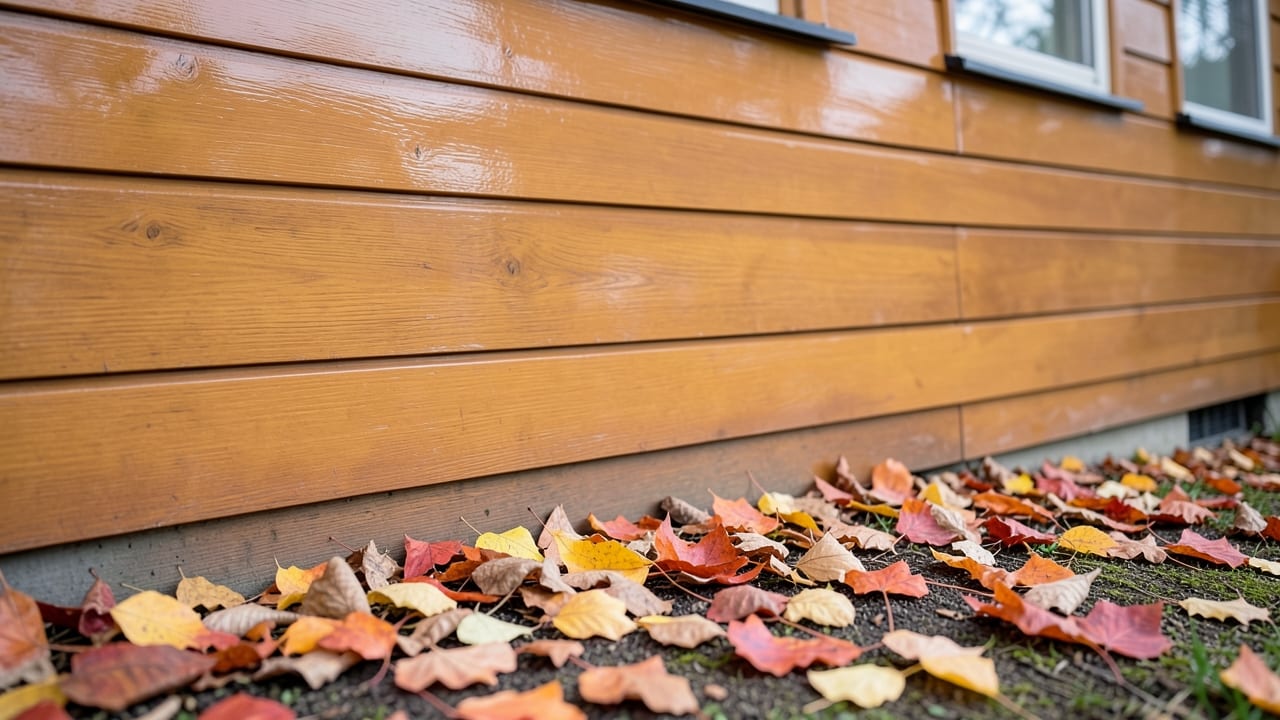
Fall Paint Prep for Winter in Middle Island, NY
Fall Paint Prep for Winter for Middle Island, NY vehicles — Middle Island is a nearby community roughly 9.4 miles southeast of Setauket..
Fall Paint Prep for Winter in Middle Island, NY is covered here, and the sections below cover the work, the cost drivers and the questions worth asking. Middle Island vehicle owners can schedule fall ceramic coating to prepare for winter road salt and de-icer exposure, with crews and equipment already serving nearby Setauket handling the work. The service applies a durable protective layer that shields paint from harsh seasonal contaminants, helping prevent corrosion and damage during the colder months. Located about 9.4 miles southeast of Setauket, Middle Island benefits from the same local service availability for this preventative treatment.
Why fall paint prep for winter matters in Middle Island
In Middle Island, NY, fall paint prep for winter helps vehicle owners protect their cars from the harsh season ahead. The work involves thorough cleaning and waxing to shield the paint from heavy road salt and de-icers used on the dense suburban roads. This prep is crucial as these chemicals can cause corrosion and paint damage over time.
This service is also available via Fall Paint Prep for Winter and Middle Island, NY.
Crews in the area typically focus on sealing the paint to provide a barrier against the elements. It is handled by professionals who understand the local climate and its impact on vehicles.
What fall paint prep for winter actually involves, step by step
Wash method and interval. A coated vehicle is generally washed on a two-to-three-week interval using the two-bucket method — one bucket of wash solution, one of clean rinse water — rather than a single bucket that redeposits the grit it just picked up back onto the mitt.
Wash product selection. A pH-neutral wash soap formulated for coated paint is used instead of a wax-stripping or high-alkaline soap, since some traditional car soaps are made to cut through wax and will also gradually strip the gloss and hydrophobic behavior off a ceramic layer.
Drying technique. The vehicle is dried with a clean microfiber towel or a drying aid rather than left to air dry, since water left to evaporate on its own deposits mineral spots on the coating the same way it would on bare paint.
Avoiding automatic tunnel washes. Automatic washes with spinning cloth brushes are generally avoided in favor of touchless or hand washing, because the rotating brushes at most tunnel locations pick up grit from the vehicle ahead in line and drag it across the coated surface as fine scratches.
Periodic decontamination. Every few months the vehicle gets a light clay or chemical decontamination pass to remove bonded contaminants like rail dust or industrial fallout that a normal wash doesn't lift, keeping the coating's surface smooth rather than letting contamination build up under the gloss.
Topper or booster reapplication. A spray sealant or coating booster product is reapplied periodically as part of the wash routine, refreshing surface slickness and water beading between the coating's own service intervals, without requiring the full decontamination-and-cure process again.
What goes wrong when fall paint prep for winter is done badly
Wax-stripping wash soap. Using a standard high-alkaline or wax-stripping car soap on a coated vehicle gradually breaks down the coating's surface chemistry with every wash, and the water-beading and gloss the coating is known for fade months earlier than they would with a pH-neutral product.
Automatic brush washes. The spinning cloth brushes in most tunnel car washes drag grit picked up from other vehicles across the coated surface, introducing the exact fine scratching a coating is meant to help prevent, panel by panel, wash after wash.
Letting water air-dry on the surface. Leaving a coated vehicle to air dry after a wash or rain lets mineral content in the water settle and bake onto the surface as spotting, which is more visible on a glossy coated finish than on paint that has already lost some of its shine.
How to choose who does the work in Middle Island
Does the quote include paint correction before the coating is applied, or coating only? Coating applied over unaddressed swirl marks locks those imperfections in rather than fixing them. Is the full prep chain — wash, decontamination, clay bar, iron remover, panel wipe — specified, or just 'prep' as one line? Skipping steps like iron removal or clay bar leaves contaminants under the coating, which shortens how well it holds up. What coating tier is being quoted — SiO2 vs. graphene, single-layer vs. multi-layer — and what protection length does that tier typically carry in the market? Tiers vary widely in durability and price, so it helps to know exactly which one is being quoted. Is a written explanation of proper post-coating maintenance — wash method, curing window, products to avoid — provided? Incorrect washing during the curing period can compromise how well a coating bonds. Does the quote distinguish exterior paint coating from wheel, interior, or window coating packages? These are often priced and sold as separate add-ons even when marketed together. Is it explained clearly that coating does not stop rock chips or deep scratches? Coatings add hardness against light swirling but not impact protection, and that distinction is where overselling most often happens.
A quote listing 'coating' as a single line item with no breakdown of the prep steps. Prep quality — decontamination, clay bar, iron removal — affects how well a coating bonds, and a bid that skips describing it may be skipping the steps too. A tier described only by price, with no protection length or product type specified. Tiers vary widely in durability, and a price with no spec behind it is hard to compare to another bid. A price dramatically lower than every other quote for the same vehicle and tier. An unusually low price can mean a thinner coating, skipped decontamination steps, or a shorter-lasting product sold as a premium one. No explanation of post-coating maintenance or the curing window. Washing a freshly coated vehicle too soon, or with the wrong products, can compromise how the coating bonds. Any claim that the coating will stop rock chips, dents, or deep scratches. Coatings add surface hardness against light swirling, not impact protection, and a shop that blurs that distinction is overselling what the product does.
The process begins with a thorough inspection of the home’s exterior to identify areas needing protection. Surfaces are cleaned, repaired if necessary, and prepped before applying the ceramic coating or sealant. Assessment ensures proper adhesion and coverage.
Reach out for a firm quote on fall paint prep for winter in Middle Island; the same scheduling and pricing apply here as anywhere else covered.
See Fall Paint Prep for Winter in Ronkonkoma, NY for more — or explore our full Setauket-area coverage step by step for our complete service area.
Serving Middle Island, NY
Ready to get started?
Talk to a local ceramic coating pro serving Middle Island, NY — get a written quote.
Other Services We Offer in Middle Island, NY
Boat Gelcoat Restoration in Middle Island, NY
Boat Gelcoat Restoration for Middle Island, NY vehicles — Middle Island is a nearby community roughly 9.4 miles southeast of Setauket..
Learn More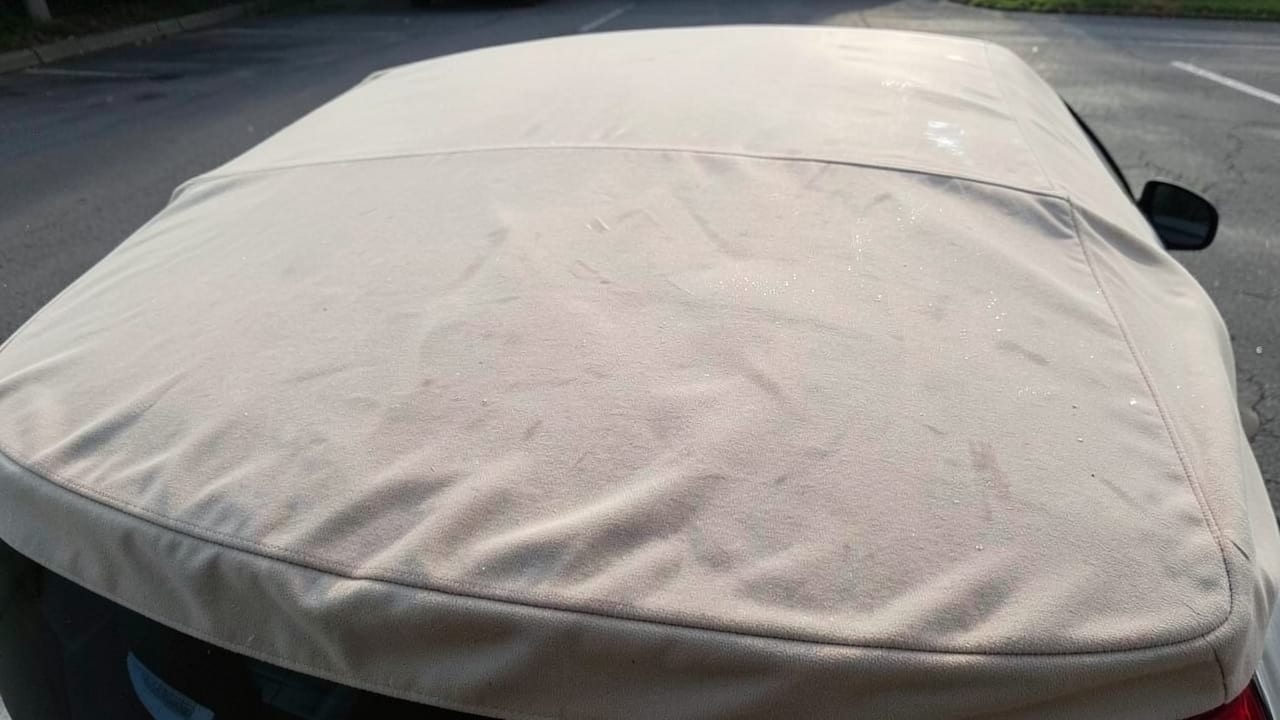
Fabric Soft Top Coating in Middle Island, NY
Fabric Soft Top Coating for Middle Island, NY vehicles — Middle Island is a nearby community roughly 9.4 miles southeast of Setauket..
Learn MoreGlass Surface Hydrophobic Treatment in Middle Island, NY
Glass Surface Hydrophobic Treatment for Middle Island, NY vehicles — Middle Island is a nearby community roughly 9.4 miles southeast of Setauket..
Learn More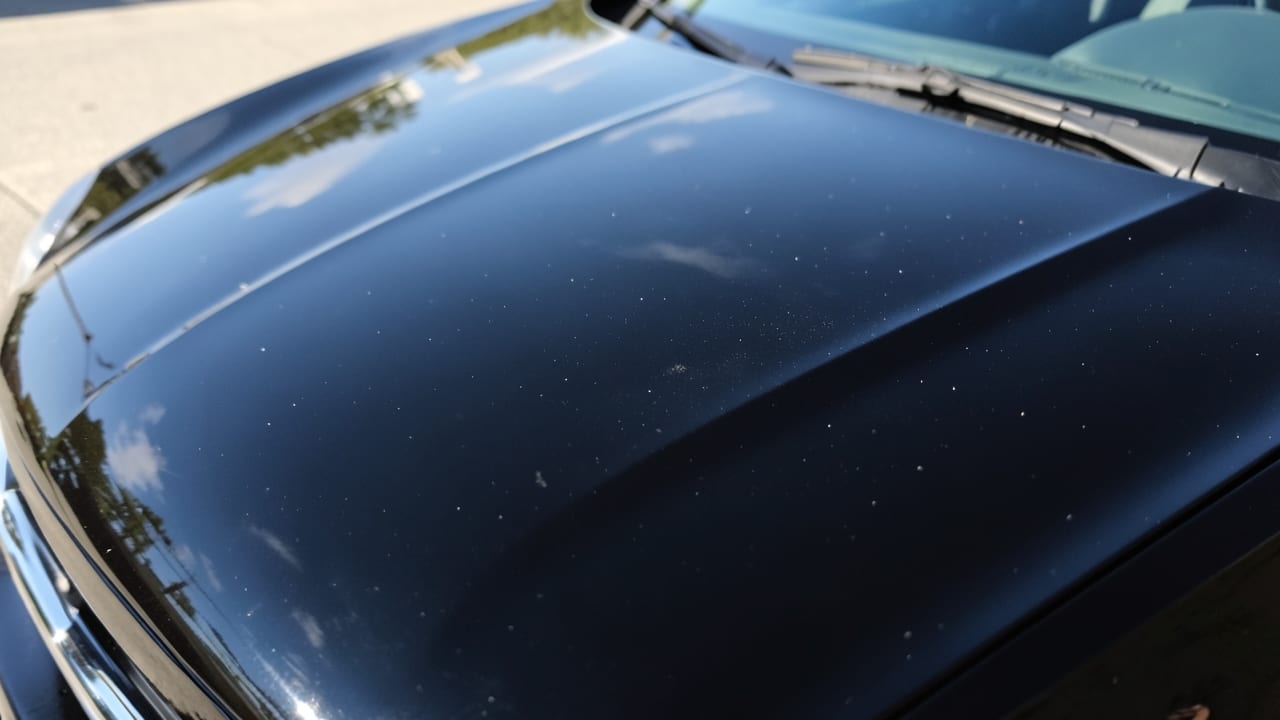
Bird Dropping Removal in Middle Island, NY
Bird Dropping Removal for Middle Island, NY vehicles — Middle Island is a nearby community roughly 9.4 miles southeast of Setauket..
Learn More
Tree Sap Removal in Middle Island, NY
Tree Sap Removal for Middle Island, NY vehicles — Middle Island is a nearby community roughly 9.4 miles southeast of Setauket..
Learn MoreWater Spot Removal in Middle Island, NY
Water Spot Removal for Middle Island, NY vehicles — Middle Island is a nearby community roughly 9.4 miles southeast of Setauket..
Learn MoreThe same service is also covered in Ronkonkoma, NY , on the same terms.
Common Questions About Ceramic Coating in Middle Island, NY
Everything you need to know about ceramic coating services in Middle Island, NY
How much does Fall Paint Prep for Winter typically cost in Middle Island, NY?
Does coastal salt air affect how a ceramic coating performs in Middle Island, NY?
How long does a ceramic coating actually last in real-world use?
What is the difference between graphene and SiO2 ceramic coatings?
Does a ceramic coating need to be topped up over time?
Need Ceramic Coating in Middle Island, NY?
Get a written quote from our Middle Island, NY crew.
⏰ We answer your call • Serving all of Middle Island, NY and surrounding areas