The Ultimate Checklist for Picking a Trusted Ceramic Coating Installer in Setauket in Ceramic Coating Setauket, NY
Choosing the right ceramic coating installer can mean the difference between a showroom finish that lasts years and a wasted investment. In Setauket, where salt air and seasonal swings test any coating’s limits, expertise and prep work are non-negotiable. We’ve built this checklist from years on the bay, so you know exactly what to demand.
Why Setauket’s Climate Demands a Pro, Not a DIY Kit
Long Island’s coastal humidity and winter road salt accelerate paint oxidation and water spotting. A professional-grade ceramic coating, properly applied, forms a nano-ceramic barrier that repels these elements far better than consumer sprays.
DIY kits lack the durability and thickness of pro formulations. They also skip critical steps like paint correction, which removes swirls and etching that salt air worsens in Stony Brook and Port Jefferson.
Improperly prepped surfaces under a coating trap contaminants. In Setauket’s climate, this leads to premature peeling and corrosion beneath the layer.
Certifications and Manufacturer Training Matter
Not all installers are created equal. We only trust teams certified by top-tier brands like Gtechniq, Ceramic Pro, or CarPro. These programs teach proper surface decontamination, multi-layer application, and cure-time management.
Ask for proof of current certifications. A true pro will also show before-and-after examples of paint correction and coating work on local vehicles from Old Field to Centereach.
Surface Prep: The Make-or-Break Step
Ceramic coatings bond to the clear coat, not the paint. If swirls, oxidation, or water spots remain, they’re locked in forever. A reputable installer will always perform paint correction and polishing before application.
This step often takes longer than the coating itself. In Setauket, where pollen and salt are constant, skipping prep often leads to a lackluster finish and reduced longevity.
A professional should perform a small test area to confirm the coating’s hydrophobic effect and gloss level before full application.
Coating Layers and Thickness: What You’re Actually Paying For
Single-layer coatings offer basic protection but fade faster under UV exposure. Multi-layer systems (2–4 layers) provide enhanced durability, chemical resistance, and a deeper gloss.
Thickness matters: professional coatings range from 2–10 microns per layer. More layers mean better defense against bird droppings, tree sap, and road grime common in Poquott and beyond.
| Layers | Thickness Range | Durability | Best For |
|---|---|---|---|
| 1 | 2–4 microns | 1–2 years | Budget-conscious, light protection |
| 2 | 4–6 microns | 3–4 years | Daily drivers in moderate climates |
| 3+ | 6–10 microns | 5+ years | Luxury vehicles, harsh conditions (e.g., Setauket winters) |
Warranty: Read the Fine Print
A warranty is only as good as the installer’s reputation. Some offer 2–5 years, but coverage often requires annual inspections and proper maintenance (e.g., pH-neutral washes, no automatic car washes with harsh brushes).
Ask if the warranty covers fading, peeling, or water spotting. In Setauket, where conditions are tough, a non-transferable warranty may not protect a resale value boost from services like full-vehicle ceramic coating or PPF installation.
Portfolio and Local Reputation
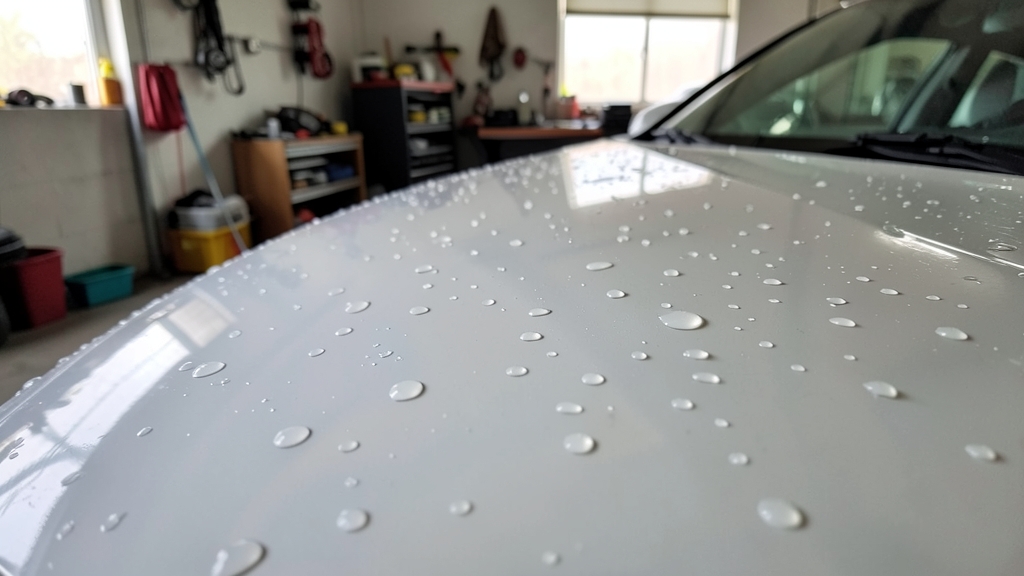
Review their gallery for vehicles similar to yours. Look for consistency in gloss, hydrophobic beading, and absence of holograms. A pro serving Ceramic Coating in Stony Brook or Port Jefferson will have plenty of local examples.
Check for experience with your vehicle’s paint type (e.g., single-stage, metallic, matte). Some coatings react differently to certain pigments or factory clear coats.
What to Look for in a Portfolio
- Before-and-after shots of paint correction
- Close-ups of water beading on coated surfaces
- Examples of wheel and caliper coating work
- Vehicles from your neighborhood (e.g., Old Field, Centereach)
Facility Standards: Cleanliness and Equipment
A dust-free booth is critical. Even a single speck of debris under a coating creates a permanent imperfection. Top installers use HEPA-filtered spray booths and controlled lighting to spot flaws before curing.
They should also have high-quality LED or halogen curing lamps. Some advanced coatings require IR lamps for proper cross-linking, especially in cooler Setauket springs or falls.
Post-Installation Care and Maintenance Guidance
A true professional provides a detailed care guide. For the first 7–14 days, avoid washing the car or exposing it to rain (common in Setauket’s unpredictable weather). After that, use only pH-neutral shampoos and microfiber towels.
They’ll also recommend periodic maintenance services like ceramic boosters or inspection of PPF edges if you’ve opted for paint protection film installation alongside the coating.
How to Vet a Ceramic Coating Installer in Setauket
Follow these steps to ensure you’re hiring a true professional, not a weekend warrior.
- 1Verify Certifications
Ask for up-to-date manufacturer certifications. Reputable brands like Gtechniq or Ceramic Pro list authorized installers on their websites.
- 2Inspect Their Facility
Visit in person. A clean, organized booth with proper lighting and filtration is a must. Avoid mobile-only operators for high-end jobs.
- 3Review Their Process
Ensure they include paint correction, decontamination, and multi-layer application. Skip any installer who says prep isn’t necessary.
- 4Check Local Work
Request references or photos of vehicles they’ve coated in Setauket, Stony Brook, or Port Jefferson. Look for consistency and longevity.
- 5Understand the Warranty
Read the terms. Confirm it covers defects like peeling or hazing and ask about maintenance requirements to keep it valid.
- 6Get a Detailed Quote
A pro will break down costs by prep work, coating layers, and add-ons like wheel or interior ceramic protection. Request a quote to compare.
Frequently Asked Questions
How long does a professional ceramic coating last in Setauket’s climate?
With proper prep and maintenance, a multi-layer professional coating can last 4–7 years. Single-layer or DIY coatings may fail within 1–2 years due to salt air and UV exposure. Always request a quote to discuss longevity based on your vehicle’s needs.
Can a ceramic coating be applied over existing PPF or vinyl wraps?
Yes, but the PPF or wrap must be in excellent condition. The coating bonds to the film’s surface, adding hydrophobic properties and UV resistance. This combo is popular for luxury vehicles in Old Field and Poquott.
What’s the difference between ceramic coating and wax or sealant?
Wax and sealants provide temporary protection (weeks to months) and require frequent reapplication. Ceramic coatings create a permanent chemical bond with the clear coat, offering years of protection against UV, chemicals, and minor scratches.
Do I need paint correction before a ceramic coating in Ceramic Coating Setauket?
Absolutely. Paint correction removes swirls, oxidation, and defects that would otherwise be sealed under the coating. Skipping this step results in a subpar finish, especially in areas with harsh conditions like Setauket.
Can ceramic coatings prevent rock chips?
No. While coatings add hardness (up to 9H), they’re not a substitute for paint protection film (PPF). For full protection against chips and scratches, we recommend combining PPF installation with a ceramic coating.
How do I maintain my ceramic coating in Setauket’s winters?
Wash your vehicle bi-weekly with a pH-neutral shampoo and avoid automatic car washes with abrasive brushes. After winter, consider a ceramic booster to refresh hydrophobicity. For fleet or commercial vehicles, more frequent maintenance may be needed.