The Ultimate Checklist for Ceramic Coating Post-Application Care in Ceramic Coating Setauket, NY
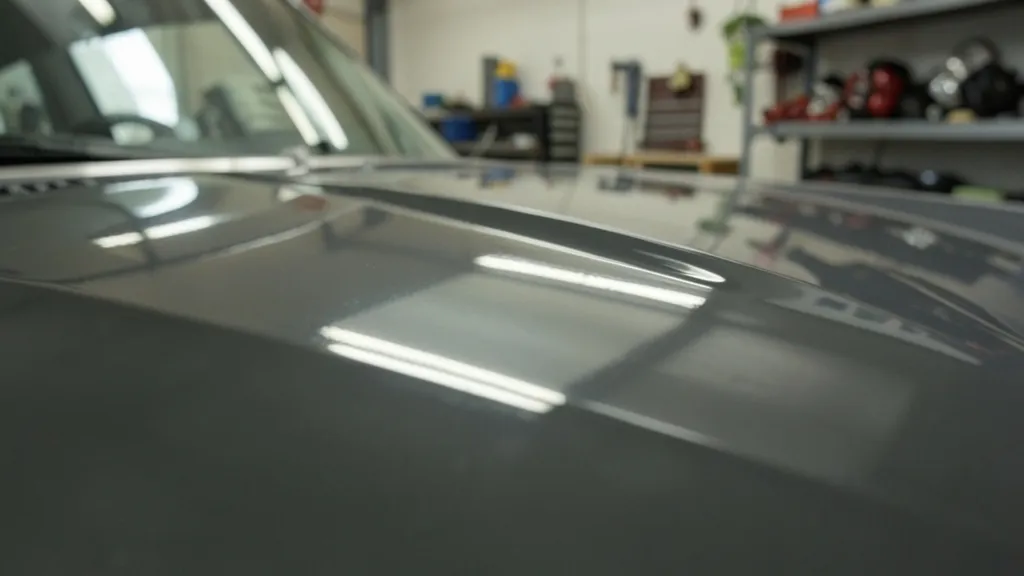
A ceramic coating is a long-term investment in your vehicle’s paint, but its longevity depends on how you care for it after application. In Setauket’s harsh seasons—from salty winter roads to intense summer UV—proper post-application maintenance is non-negotiable. We’ve compiled the definitive checklist to keep your coating performing at its peak.
Why Post-Application Care Matters for Ceramic Coatings
Ceramic coatings bond with your vehicle’s clear coat to create a hydrophobic, UV-resistant layer. But even the best coatings—like those we apply in Setauket, Stony Brook, or Port Jefferson—require proper upkeep to reach their full lifespan.
Neglecting post-application care can lead to premature degradation. Contaminants like road salt, bird droppings, or tree sap can etch into the coating if not addressed quickly, especially in Long Island’s coastal climate.
The First 48 Hours: Critical Curing Period
Your coating begins curing the moment it’s applied, but the first 48 hours are the most vulnerable. Avoid exposing the vehicle to rain, direct sunlight, or moisture during this window.
Even light mist can disrupt the bonding process. Park in a garage or covered area, and skip the car wash entirely. This is true whether you’re in Old Field or Centereach—humidity and temperature swings can compromise the finish.
Any water contact in the first 48 hours can cause water spotting or uneven curing. If rain is forecasted, reschedule your appointment.
Week 1: Gentle Cleaning and Decontamination
After 48 hours, you can perform a light, contactless rinse to remove dust or debris. Use a foam cannon with pH-neutral soap to avoid stripping the coating’s hydrophobic properties.
Avoid pressure washers or aggressive scrubbing. For stubborn contaminants, use a lubricated microfiber towel or a gentle clay bar. This step is critical for vehicles in Poquott, where tree sap and pollen are common.
Long-Term Washing Techniques for Ceramic Coatings
Once fully cured (typically after 7 days), switch to a two-bucket wash method. One bucket holds your pH-neutral soap, the other holds clean water for rinsing your mitt. This prevents swirl marks and contamination.
Use high-quality microfiber wash mitts and towels. Never use household sponges or paper towels—they can scratch the coating’s surface, even in Centereach’s softer water.
Essential Washing Supplies
- pH-neutral car soap (avoid dish soap or degreasers)
- Two 5-gallon wash buckets with grit guards
- Plush microfiber wash mitt
- Separate microfiber drying towels
- Iron remover spray for embedded contaminants
Dealing with Contaminants: Bird Droppings, Sap, and Road Salt
Long Island’s environment is tough on coatings. Bird droppings and tree sap are highly acidic and can etch into the coating if left untreated. Remove them immediately with a dedicated detailer spray and microfiber towel.
In winter, road salt is the biggest threat. Rinse your vehicle frequently, especially the undercarriage and wheel wells. For added protection, consider our wheel and brake caliper ceramic coating service.
Carry a quick detailer spray and microfiber cloth in your vehicle. For sap or tar, use a dedicated remover—never household cleaners.
Maintenance Products: What to Use and What to Avoid
Not all products are safe for ceramic coatings. Avoid wax-based products, as they can leave residues that diminish hydrophobicity. Stick to coating-safe shampoos, iron removers, and SiO2 (silica) boosters.
For extra gloss and protection, use a ceramic coating maintenance spray every 2-3 months. These products replenish hydrophobic properties without layering. We recommend them for all our clients, from Stony Brook to Old Field.
| Product Type | Safe for Ceramic Coatings | Notes |
|---|---|---|
| pH-neutral car soap | Yes | Essential for regular washing |
| Iron remover spray | Yes | Removes embedded brake dust and rail dust |
| SiO2 maintenance spray | Yes | Boosts hydrophobicity between reapplications |
| Carnauba wax | No | Leaves residue; reduces coating effectiveness |
| Degreasers (e.g., Simple Green) | No | Strips hydrophobic layer |
| Automatic car wash soaps | No | Often too harsh; can dull the finish |
Seasonal Considerations for Setauket and Surrounding Areas
Long Island’s seasons demand tailored care. In summer, UV rays can accelerate coating breakdown. Park in shaded areas and use a UV-protectant spray to extend the coating’s life.
Winter brings road salt and freezing temperatures. Frequent rinses are a must, and a pre-winter application of a ceramic booster can add an extra layer of defense. This is especially true for fleet and commercial vehicles in Centereach.
When to Consider Reapplication or Additional Protection
Even with perfect care, ceramic coatings degrade over time. If water no longer beads uniformly or the surface feels rough, it’s time for a professional inspection. We often recommend reapplication after 2-5 years, depending on usage and exposure.
For maximum protection, pair your ceramic coating with paint protection film (PPF) for high-impact areas like the front bumper or hood. This combo is popular among our clients in Port Jefferson and Poquott for its ultimate defense against rock chips and scratches.
How to Safely Wash Your Vehicle After Ceramic Coating Application
Follow these steps to clean your vehicle without damaging the ceramic coating.
- 1Pre-Rinse
Use a foam cannon or pressure washer (set to low pressure) to remove loose dirt. Avoid direct spray on the coating for the first week.
- 2Two-Bucket Wash
Fill one bucket with pH-neutral soap and water, the other with clean water. Dip your mitt in the soap bucket, wash a section, then rinse the mitt in the clean water bucket.
- 3Decontaminate
After washing, use an iron remover spray to dissolve embedded contaminants. Agitate gently with a microfiber towel if needed.
- 4Rinse and Dry
Rinse thoroughly with clean water, then dry with a plush microfiber towel. Avoid air drying to prevent water spotting.
- 5Apply Maintenance Spray
Once dry, mist a SiO2 booster spray onto the surface and buff with a clean microfiber towel to restore hydrophobicity.
Frequently Asked Questions
How soon can I drive my car after ceramic coating application in Setauket?
You can drive immediately, but avoid exposure to rain, sprinklers, or car washes for at least 48 hours. Park in a garage or covered area to protect the coating during the critical curing phase.
Can I take my car through an automatic car wash after ceramic coating?
We strongly advise against it. Automatic car washes use harsh chemicals and abrasive brushes that can strip the coating’s hydrophobic layer. Stick to hand washing with pH-neutral soap.
What’s the best way to remove water spots from a ceramic coating?
Water spots are usually mineral deposits. Use a dedicated water spot remover or a 50/50 mix of white vinegar and distilled water. Apply with a microfiber towel, then rinse and dry thoroughly.
Does ceramic coating protect against rock chips in areas like Port Jefferson?
Ceramic coatings add a layer of hardness and scratch resistance, but they won’t stop rock chips. For full protection against impacts, consider pairing the coating with paint protection film (PPF) on high-risk areas.
How often should I reapply ceramic coating maintenance products in Setauket’s climate?
For optimal performance, apply a SiO2 maintenance spray every 2-3 months. This replenishes the hydrophobic properties, especially important given Long Island’s exposure to salt, UV, and pollutants.
Can I apply wax over my ceramic coating for extra shine?
No. Wax can leave a residue that dulls the coating’s hydrophobic effect and reduces its longevity. Stick to ceramic-specific maintenance products for the best results.