Signs Your Ceramic Coating Was Applied in High Humidity in Ceramic Coating Setauket, NY
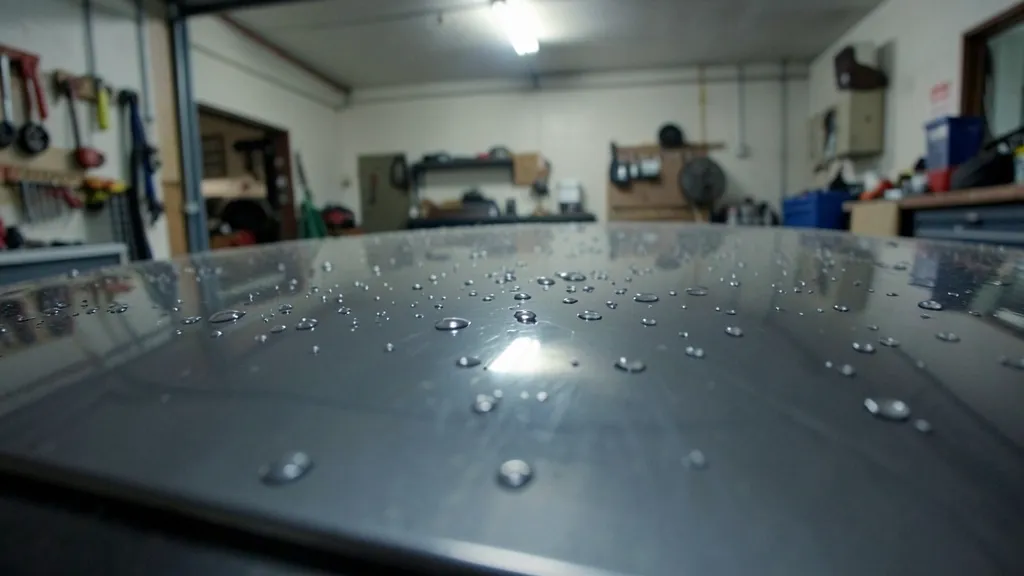
High humidity during ceramic coating application can sabotage durability and finish. In Setauket’s coastal climate, even experienced installers must control the environment. We’ll show you the red flags—and how to prevent them on your next project.
Why Humidity Ruins Ceramic Coating Application
Ceramic coatings rely on proper cross-linking of SiO2 or TiO2 polymers with your clear coat. High humidity introduces moisture into the mix, disrupting this chemical bond.
In Setauket, morning fog or ocean air can spike humidity levels before you even realize it. That’s why we monitor conditions with hygrometers before starting any job.
Visual Red Flags of a Bad Application
Look for hazing or cloudiness across the finish. This often appears as a dull, milky film that won’t buff out—classic sign of moisture trapped under the coating.
Water spotting that etches into the surface within days is another clue. Properly cured coatings repel water; high-humidity applications can’t.
Some coatings appear cloudy during the initial 24-hour flash period. True humidity haze persists beyond 48 hours and resists polishing.
Touch and Performance Tests
Run your fingers over the surface. A rough or gritty texture suggests poor adhesion, often tied to humidity interference during curing.
Test hydrophobic behavior. If water doesn’t bead tightly or sheets off unevenly, the coating may not have adhered correctly due to moisture contamination.
Humidity vs. Temperature: What Matters More?
Many assume temperature is the bigger factor, but humidity is the silent killer. Ideal conditions are 50-70°F with 40-60% humidity for most professional-grade coatings.
| Coating Type | Ideal Temperature Range | Max Humidity | Cure Time |
|---|---|---|---|
| Consumer-Grade (Spray-On) | 50-80°F | 60% | 24-48 hours |
| Professional 9H (Single Layer) | 60-75°F | 50% | 48-72 hours |
| Multi-Layer Pro (2+ Layers) | 65-70°F | 40% | 72+ hours |
| Graphene-Enhanced | 60-75°F | 45% | 48-60 hours |
Setauket-Specific Challenges
Our proximity to the Long Island Sound means salt air and morning mist are constant threats. Even indoor garages can trap humidity if not properly ventilated.
Neighboring areas like Stony Brook and Port Jefferson face the same issues. That’s why we often pair ceramic coatings with paint correction to ensure a flawless base before application.
Always perform a thorough decontamination wash and clay bar treatment. Residual moisture or salts will sabotage adhesion, humidity or not.
Can You Fix a Coating Applied in High Humidity?
If caught early (within 72 hours), we can sometimes remove the coating with a mild compound and reapply under controlled conditions. After full curing, removal requires wet-sanding or heavy polishing.
In severe cases, the only solution is full paint correction followed by a fresh coating application. This is why we stress controlled environments for every job in Ceramic Coating Setauket.
Preventing Humidity Issues in Future Applications
Use a climate-controlled booth or wait for optimal weather. Portable dehumidifiers can help, but they’re not foolproof for outdoor applications.
For DIYers, early morning or late evening applications are riskiest. Midday, when humidity drops, is safer—but always check with a hygrometer.
Pre-Application Humidity Checklist
- Verify humidity is below 60% (50% for pro-grade coatings)
- Ensure surface temperature is 10-15°F above dew point
- Use a clean, dry microfiber towel for final wipe-down
- Avoid applying in direct sunlight or shaded, damp areas
- Confirm the vehicle has been indoors for at least 2 hours to stabilize
How to Test Your Coating for Humidity-Related Defects
Follow these steps to diagnose potential issues from a high-humidity application.
- 1Visual Inspection Under Direct Light
Park the car in sunlight or under bright LEDs. Look for hazing, streaks, or uneven gloss. These often indicate moisture trapped during curing.
- 2Water Beading Test
Mist water across a panel. Properly applied coatings will form tight, uniform beads. Poor adhesion from humidity causes flat, spreading droplets.
- 3Finger Drag Test
Lightly drag a clean finger across the surface. A gritty or rough feel suggests incomplete bonding, often linked to high humidity.
- 4Water Spot Resistance Check
Leave water droplets on the surface for 10 minutes. If they leave etched spots, the coating’s protective layer may be compromised.
- 5Hydrophobic Longevity Test
Re-test water beading after 1 week. If performance degrades quickly, humidity may have prevented proper cross-linking.
Frequently Asked Questions
How common is high humidity during ceramic coating application in Setauket?
Very. Our coastal climate means humidity often exceeds 70%, especially in spring and summer. Even in Ceramic Coating in Stony Brook or Port Jefferson, the same risks apply. We always recommend indoor, climate-controlled applications.
Can high humidity affect Paint Protection Film (PPF) installation too?
Absolutely. PPF also requires low humidity for proper adhesion. In fact, many of the same red flags—bubbles, lifting edges—can occur if moisture is present during installation.
What’s the difference between humidity haze and improper paint correction?
Humidity haze is a uniform cloudiness across the entire coated surface. Improper paint correction leaves swirls, scratches, or uneven gloss that are visible before coating. One is environmental; the other is prep-related.
Is there a way to speed up curing if humidity was high during application?
No. Forcing the cure with heat guns or infrared lamps can worsen defects. The only solution is to remove the coating and reapply under proper conditions. Patience is key—especially in Ceramic Coating Setauket’s variable weather.
Should I avoid ceramic coatings in Setauket’s humid summers?
Not necessarily. With the right equipment—dehumidifiers, climate-controlled spaces—we apply coatings year-round. The key is monitoring conditions, not the season.
Does ceramic window tint have the same humidity risks?
Yes. Ceramic window tint also requires low humidity for adhesion. High moisture can cause bubbling or peeling, similar to paint coatings. Always request a quote with controlled application for any ceramic service.