How Salt and Snow Impact Your Ceramic Coating in Setauket, NY
Setauket’s winters bring heavy snow, road salt, and freezing temps—all of which test the limits of your vehicle’s ceramic coating. We’ll break down how these elements interact with your coating, what damage to watch for, and how to maintain protection through the season.
Why Setauket’s Winter Conditions Are Tough on Ceramic Coatings
Long Island’s coastal climate means wet snow, slush, and rapid temperature swings. These conditions accelerate the breakdown of unprotected paint and stress even high-quality ceramic coatings.
Road salt and de-icing chemicals are the biggest threats. They cling to your vehicle’s surface, eating into clear coat and compromising the coating’s hydrophobic properties over time.
How Salt Directly Affects Ceramic-Coated Surfaces
Salt doesn’t just corrode bare metal—it degrades the bonding agents in ceramic coatings. Prolonged exposure can create micro-etching, dulling the gloss and reducing water beading.
The hydrophobic layer repels water, but salt residue lingers. If not washed off quickly, it can embed in the coating, leading to white stains or even premature failure in high-impact areas like wheel wells and rocker panels.
Salt left for more than 48 hours can begin compromising even professional-grade ceramic coatings. A thorough rinse with a pH-neutral cleaner is critical after winter drives.
Snow and Ice: The Hidden Threats to Your Coating
Snow itself is less damaging than the melting and refreezing cycle. Ice expansion can lift or crack weak spots in the coating, especially around edges and seams.
Scraping ice with metal tools or harsh plastic blades can introduce micro-scratches. These tiny defects break the coating’s integrity, allowing moisture and contaminants to penetrate deeper.
Ceramic Coating vs. Paint Protection Film: Winter Performance Compared
Both ceramic coatings and PPF shield your paint, but they handle winter stress differently. PPF provides a physical barrier against salt and debris, while ceramic coatings rely on chemical resistance.
For Setauket drivers, combining both—a full-vehicle ceramic coating with PPF on high-impact areas—delivers the best defense against winter’s worst.
| Feature | Ceramic Coating | Paint Protection Film (PPF) |
|---|---|---|
| Salt Resistance | High (chemical bond repels contaminants) | Very High (physical barrier blocks salt) |
| Ice/Scratch Protection | Moderate (prevents minor scratches) | High (self-healing properties, absorbs impacts) |
| Hydrophobic Effect | Excellent (water beads off easily) | Good (depends on top-coat application) |
| Longevity in Harsh Climates | 3-5+ years with maintenance | 5-10+ years with care |
| Maintenance Needs | Regular washing, annual reapplication of top layer | Washing, occasional reapplication of ceramic top coat |
Signs Your Ceramic Coating Is Struggling This Winter
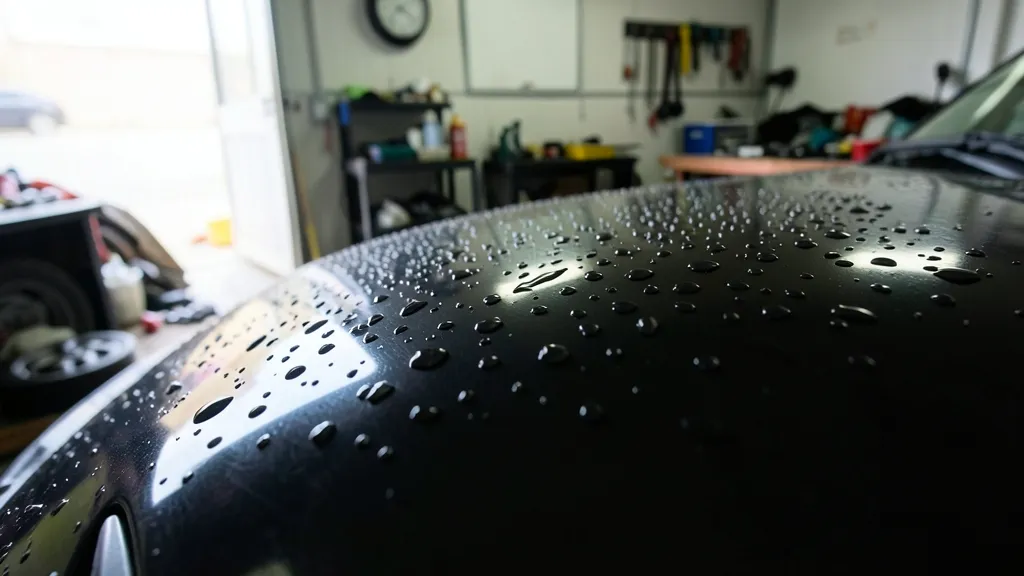
Reduced water beading is the first red flag. If water sheets instead of beading, the hydrophobic layer may be compromised by salt or UV exposure from last season.
Visible white residue or etching on the paint—especially after a snowstorm—means salt has penetrated. Swirl marks or dullness in high-contact areas (door sills, mirrors) also signal coating wear.
Winter Ceramic Coating Warning Signs
- Water no longer beads on the surface
- White salt stains or etching on paint
- Increased swirl marks or haze
- Reduced gloss or depth in the finish
- Coating peeling or bubbling at edges
Proactive Winter Care for Ceramic-Coated Vehicles in Setauket
Wash your vehicle every 1-2 weeks with a pH-neutral shampoo and a microfiber wash mitt. Avoid automated car washes with harsh brushes—they can strip or scratch the coating.
Apply a ceramic-boosting spray sealant after each wash to replenish hydrophobic properties. For wheels and brake calipers, which take a beating from salt spray, consider a dedicated ceramic wheel coating for extra protection.
Schedule a paint correction and ceramic coating refresh before November. This ensures your coating is at peak performance before the first snowfall in Stony Brook or Port Jefferson.
Long-Term Protection: Pairing Ceramic Coatings with Other Services
For maximum defense, combine ceramic coatings with paint protection film on the front bumper, hood, and fenders. This hybrid approach is popular among drivers in Old Field and Poquott, where roads are heavily salted.
Don’t overlook the interior. Ceramic interior protection prevents salt and slush from staining upholstery, while headlight restoration and coating keeps visibility sharp during winter nights.
Common Mistakes That Shorten Your Coating’s Lifespan
Using harsh degreasers or wax-based products can strip ceramic coatings. Stick to manufacturer-approved cleaners and avoid DIY polishes with abrasives.
Parking under trees or in unheated garages exposes your vehicle to sap, ice, and condensation. These accelerate coating degradation, especially in Centereach’s colder microclimates.
How to Safely Remove Salt from a Ceramic-Coated Vehicle
Follow these steps to prevent salt damage without harming your coating.
- 1Rinse Immediately
Use a pressure washer or hose to remove loose salt and slush before it dries. Avoid high heat, which can bake salt into the coating.
- 2Pre-Wash with pH-Neutral Cleaner
Apply a dedicated ceramic-safe pre-wash foam to break down salt and grime without stripping the coating.
- 3Two-Bucket Wash Method
Wash with a microfiber mitt and pH-neutral shampoo. Use separate buckets for soap and rinse water to avoid reapplying contaminants.
- 4Dry with a Blower or Microfiber Towel
Pat dry with a clean microfiber towel or use a leaf blower to prevent water spots. Avoid air drying in freezing temps.
- 5Apply a Ceramic Boost Spray
Mist a ceramic-boosting spray onto the surface and buff with a microfiber cloth to restore hydrophobicity and add a protective layer.
Frequently Asked Questions
Can ceramic coating completely prevent salt damage in Setauket?
No coating is 100% impervious to salt, but a professional-grade ceramic coating significantly slows corrosion and etching. Regular maintenance is key to maximizing its protective lifespan.
How often should I reapply ceramic coating in Setauket’s climate?
With proper care, a high-quality ceramic coating lasts 3-5 years. However, we recommend a maintenance spray every 6 months and a full reapplication if you notice reduced beading or gloss.
Is paint protection film better than ceramic coating for winter driving?
PPF offers superior physical protection against salt, rocks, and ice, but it lacks the self-cleaning and gloss-enhancing properties of ceramic coatings. Many Setauket drivers use both for optimal protection.
Will ceramic coating protect my wheels and brake calipers from salt?
Yes, but wheels and calipers endure extreme heat and direct salt spray. A dedicated ceramic wheel coating provides thicker, more durable protection in these high-stress areas.
Can I apply ceramic coating myself, or should I hire a professional in Setauket?
DIY ceramic coatings are available, but professional application ensures proper paint correction, even coverage, and bonding. This is especially critical for Long Island’s harsh winters.
What’s the best way to prepare my car for winter if it already has a ceramic coating?
Start with a thorough wash and decontamination, then apply a ceramic boost spray. Consider adding PPF to high-impact areas and scheduling a paint correction if swirls or etching are present.