Ceramic Coating vs. Paint Protection Film: Which Is Right for Your Setauket Ride in Ceramic Coating Setauket
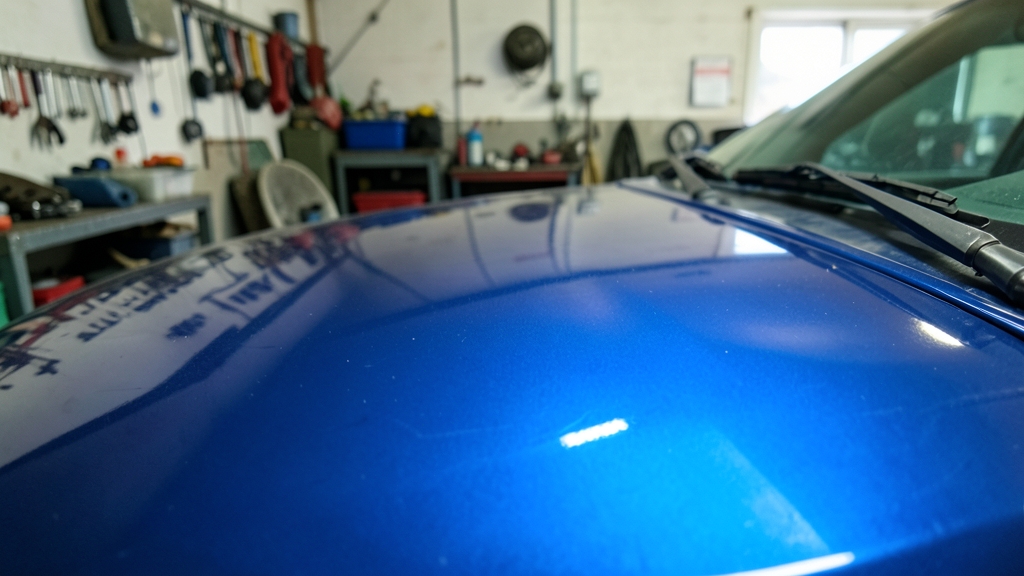
Choosing between ceramic coating and paint protection film for your vehicle in Setauket isn’t just about shine—it’s about long-term defense against Long Island’s salt air, road debris, and harsh seasons. Our team breaks down the real differences so you can drive with confidence, whether you’re cruising through Stony Brook or parked in Port Jefferson.
What Ceramic Coating Brings to Your Vehicle
Ceramic coating is a liquid nano-polymer applied to your car’s paint, creating a permanent or semi-permanent bond. It enhances gloss, repels water, and resists UV rays, oxidation, and light scratches.
In Setauket’s climate, it’s a shield against salt spray from the Sound and fading from summer sun. It won’t stop rock chips, but it makes cleaning easier and keeps your paint looking fresh longer.
We often pair it with paint correction to ensure a flawless finish before application. The result? A deeper, mirror-like shine that turns heads in Old Field or Centereach.
How Paint Protection Film (PPF) Defends Differently
PPF is a thick, clear urethane film applied to high-impact areas like the hood, bumper, and fenders. It’s your best defense against rock chips, deep scratches, and even minor abrasions from road debris.
Unlike ceramic coating, PPF is self-healing—light scratches disappear with heat. It’s nearly invisible but sacrifices some gloss compared to a high-quality ceramic coating.
For Setauket drivers who frequent gravel roads or park near busy areas in Port Jefferson, PPF is a game-changer for preserving your paint’s integrity.
Ceramic Coating vs. Paint Protection Film: Side-by-Side
Both offer protection, but they excel in different scenarios. Ceramic coating is ideal for full-vehicle enhancement, while PPF targets vulnerable areas prone to damage.
Consider your driving habits, budget, and priorities. Many of our clients in Stony Brook and Poquott opt for a combination: PPF on high-impact zones and ceramic coating for the rest.
| Feature | Ceramic Coating | Paint Protection Film (PPF) |
|---|---|---|
| Protection Type | Chemical & UV resistance, hydrophobic | Physical barrier, self-healing, impact resistance |
| Durability | 2-5 years (depends on maintenance and product grade) | 5-10 years (depends on film quality and exposure) |
| Gloss Enhancement | High (enhances depth and clarity) | Moderate (can slightly dull finish if not installed professionally) |
| Scratch Resistance | Light scratches only | Heavy scratches and rock chips |
| Maintenance | Low (regular washing, avoid harsh chemicals) | Low (self-healing, but may yellow over time without proper care) |
| Best For | Full-vehicle protection, gloss, ease of cleaning | High-impact areas, rock chip prone zones |
Which One Handles Setauket’s Toughest Conditions?
Long Island’s salt air accelerates oxidation, and winter road treatments can etch paint. Ceramic coating’s hydrophobic layer repels these contaminants, reducing long-term damage.
PPF, however, is the heavyweight for physical threats. If you’re driving through Centereach’s construction zones or Old Field’s tree-lined roads, PPF absorbs the hits so your paint doesn’t have to.
For maximum defense, we often recommend a hybrid approach: PPF on the front end and ceramic coating on the rest of the vehicle. This balances protection and aesthetics.
If you park near the water in Port Jefferson, prioritize ceramic coating for its corrosion resistance. Add PPF to the front bumper for extra defense against salt spray and debris.
Cost Factors: What Drives the Investment?
The cost of ceramic coating depends on the product grade (consumer vs. professional), vehicle size, and paint condition. Paint correction is often needed beforehand, which adds to the total.
PPF pricing varies by coverage area, film thickness, and brand. Full-front PPF is more affordable than full-vehicle, but labor-intensive areas like mirrors or door edges increase the investment.
Neither is a one-size-fits-all expense. Request a quote to account for your vehicle’s specific needs, whether it’s a daily driver in Stony Brook or a weekend cruiser in Poquott.
Longevity and Maintenance: Keeping Your Protection Strong
Ceramic coating lasts 2-5 years with proper care. Wash your vehicle regularly with pH-neutral soap, and avoid automatic car washes with harsh brushes.
PPF can last 5-10 years but may yellow or degrade faster in extreme conditions. Self-healing properties work best with occasional heat exposure, like a warm day in Setauket.
Both benefit from annual inspections. Our team can touch up ceramic coating or replace sections of PPF to maintain peak performance.
Maintenance Checklist for Long-Lasting Protection
- Wash your vehicle every 2 weeks with a microfiber cloth and pH-neutral soap
- Avoid parking under trees (sap and bird droppings can etch both coatings)
- Use a ceramic coating-safe spray sealant every 3-6 months for added hydrophobicity
- Inspect PPF edges annually for lifting or peeling
- Address swirl marks or scratches promptly to prevent further damage
Real-World Scenarios: What Local Drivers Choose
In Stony Brook, many opt for full-vehicle ceramic coating to combat the elements while keeping their ride looking showroom-ready. It’s a favorite for luxury and classic car owners.
Port Jefferson drivers often prioritize PPF for their front ends, given the higher risk of road debris from ferry traffic and coastal roads.
For fleet vehicles in Centereach, we frequently combine both: PPF on high-impact areas and ceramic coating for easier maintenance and a professional appearance.
Old Field’s winding roads and Poquott’s quiet lanes see less debris but more UV exposure. Ceramic coating is often the top choice here for its gloss and UV protection.
Can You Combine Both for Ultimate Protection?
Absolutely. Layering PPF with ceramic coating is the gold standard for comprehensive protection. PPF handles physical impacts, while ceramic coating adds hydrophobic properties and UV resistance.
We apply PPF first, then ceramic coating over the film and the rest of the vehicle. This duo maximizes durability, gloss, and ease of maintenance.
It’s a popular choice for high-end vehicles in Setauket, where owners want premium features without compromising on appearance or defense.
How to Decide Between Ceramic Coating and PPF for Your Vehicle
Use this step-by-step guide to evaluate which protection method aligns with your needs.
- 1Assess Your Driving Environment
Consider your daily routes. Do you face gravel roads, heavy traffic, or coastal salt air? PPF excels in high-impact areas, while ceramic coating thrives in UV-heavy or corrosive environments.
- 2Evaluate Your Priorities
Prioritize gloss and ease of cleaning? Ceramic coating is your best bet. Need defense against rock chips and deep scratches? PPF is the way to go.
- 3Inspect Your Vehicle’s Condition
Ceramic coating requires a flawless surface, often needing paint correction first. PPF can be applied over minor imperfections but works best on clean, smooth paint.
- 4Determine Your Budget and Long-Term Goals
Ceramic coating is generally more affordable for full-vehicle protection. PPF is cost-effective for targeted areas. For ultimate defense, budget for both.
- 5Consult a Local Expert
Our team can assess your vehicle, discuss your habits, and recommend a tailored solution. Request a quote to explore options for your Setauket ride.
Frequently Asked Questions
Is ceramic coating worth it for a daily driver in Setauket?
Yes, especially if you want to reduce maintenance and protect against UV rays, salt air, and light scratches. It keeps your car looking newer longer, which is a big plus for daily commutes through Stony Brook or Centereach.
Can paint protection film be removed if I change my mind?
Yes, PPF is removable, though it’s best done by professionals to avoid damaging the paint. Over time, the adhesive may leave residue, but this can be cleaned off with the right techniques.
Does ceramic coating prevent all scratches?
No, ceramic coating resists light scratches and swirl marks but won’t stop deep scratches or rock chips. For that level of protection, PPF is the better choice.
How often should I reapply ceramic coating in Setauket’s climate?
With proper care, ceramic coating lasts 2-5 years. Long Island’s salt air and sun can shorten its lifespan, so we recommend inspections every 2 years to assess its condition.
Can I apply ceramic coating over existing paint protection film?
Yes, and it’s a smart move. Ceramic coating over PPF enhances hydrophobic properties and adds UV resistance, extending the life of both layers. Our team often recommends this combo for Setauket drivers.
What’s a good option for a classic car stored in Port Jefferson?
For classic cars, ceramic coating is usually the top choice. It enhances gloss, protects against UV fading, and makes maintenance easier—ideal for vehicles that spend time in and out of storage near the water.