When to Reapply Ceramic Coating for Long-Lasting Protection in Ceramic Coating Setauket, NY
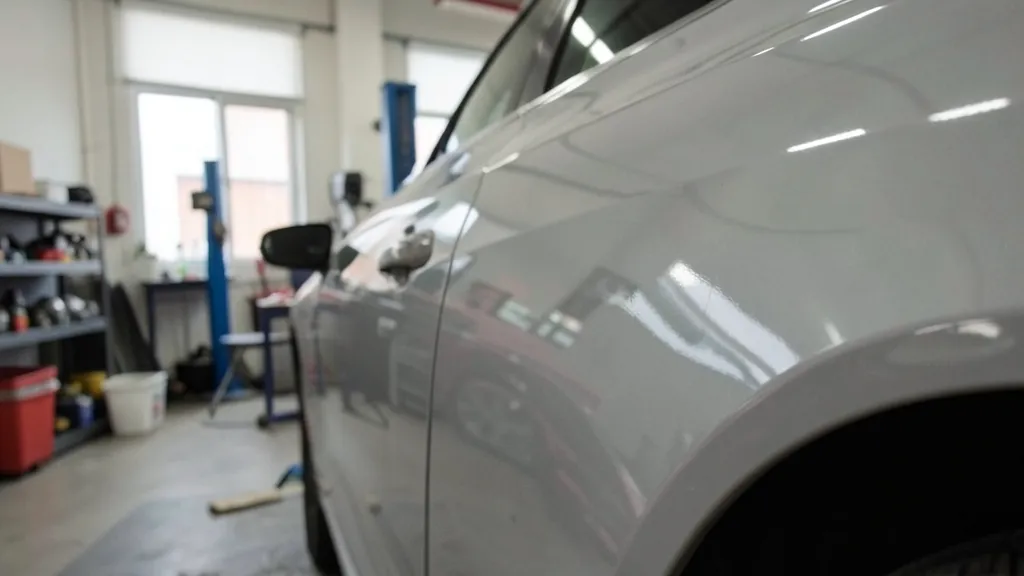
Ceramic coatings don’t last forever—even in Setauket’s moderate climate, UV rays, road salt, and seasonal debris break them down. Knowing when to reapply ensures your vehicle stays protected and glossy. Our team shares the exact signs and timing to keep your coating performing at its best.
Why Ceramic Coatings Wear Down in Setauket’s Climate
Long Island’s mix of sunny summers and salty winters accelerates ceramic coating degradation. UV exposure oxidizes the SiO2 matrix, while road salt and brine etch the hydrophobic layer over time.
Even high-quality 9H coatings lose effectiveness after 2–5 years, depending on maintenance and environmental stress. The North Shore’s humidity also speeds up contaminant bonding, reducing beading and self-cleaning properties.
Signs Your Ceramic Coating Needs Reapplication
Water no longer beads into tight droplets or sheets off instantly. This means the hydrophobic top layer has worn thin, leaving paint vulnerable to water spots and stains.
Swirl marks and fine scratches appear more visible after washes. A healthy coating resists light marring, but as it thins, paint defects become pronounced.
Dirt and grime cling stubbornly, even after a thorough wash. A fresh coating repels contaminants effortlessly; when it doesn’t, it’s time for a refresh.
By the time you see fading or oxidation, the coating has already failed. Proactive reapplication prevents costly paint correction later.
Typical Lifespans: Consumer-Grade vs. Professional Ceramic Coatings
Not all coatings are equal. Consumer sprays or DIY kits often last 6–12 months, while professional-grade nano-ceramic coatings can endure 3–5 years with proper care.
| Coating Type | Expected Lifespan | Key Factors |
|---|---|---|
| Consumer Spray-On | 6–12 months | Low SiO2 content, minimal prep, poor UV resistance |
| DIY Professional Kit | 1–2 years | Moderate hardness, limited thickness, inconsistent application |
| Entry-Level Pro Coating | 2–3 years | 80%+ SiO2, single-layer, basic hydrophobic properties |
| Premium Pro Coating | 4–5 years | 90%+ SiO2, multi-layer, high UV/salt resistance |
| Hybrid Coating + PPF | 5–7+ years | Combines ceramic coating with paint protection film for extreme durability |
Seasonal Timing: Ideal Months to Reapply in Setauket
Late spring (May–June) is ideal. Mild temperatures and low humidity allow the coating to cure properly without interference from rain or pollen.
Early fall (September–October) works well too, before winter salt hits the roads. Avoid applying in extreme heat, cold, or high humidity—these disrupt bonding.
Winter reapplication is risky. Salt and moisture can contaminate the surface, leading to poor adhesion and premature failure.
Setauket’s busy spring season fills schedules fast. Plan your reapplication in advance to secure a slot before the rush.
Pre-Reapplication Steps: Paint Correction Is Non-Negotiable
A fresh ceramic coating won’t hide existing defects. Swirls, scratches, or oxidation must be addressed with paint correction first, or they’ll be sealed in permanently.
Our team uses multi-stage polishing to restore clarity before applying the new coating. Skipping this step wastes the coating’s potential and shortens its lifespan.
Even minor imperfections can show through a high-gloss ceramic finish. A full inspection under specialized lighting ensures a flawless base.
Maintenance That Extends Time Between Reapplications
Wash your vehicle every 1–2 weeks with a pH-neutral shampoo. Harsh soaps strip the coating’s hydrophobic layer, reducing its effectiveness.
Use a ceramic-safe detail spray or quick detailer between washes to refresh hydrophobicity. Avoid wax or sealants—they can leave residues that interfere with the coating.
Decontaminate regularly with a clay bar or iron remover. Embedded contaminants degrade the coating faster, especially in areas like Stony Brook or Port Jefferson with heavy traffic.
Ceramic Coating Maintenance Essentials
- Wash with pH-neutral shampoo biweekly
- Use a microfiber wash mitt to prevent marring
- Apply ceramic-boosting detail spray monthly
- Decontaminate with clay bar every 3–6 months
- Avoid automatic car washes with harsh brushes
- Park in a garage or under cover to limit UV exposure
When to Consider Paint Protection Film (PPF) Instead
If your vehicle faces frequent rock chips or deep scratches—common on Setauket’s rural roads or in Centereach’s busier areas—PPF may be a better investment.
PPF offers physical protection against impacts, while ceramic coatings excel at chemical and UV resistance. Many owners in Old Field or Poquott combine both for ultimate defense.
Our team often recommends a hybrid approach: PPF on high-impact areas (hood, bumper, fenders) with a ceramic coating over the entire vehicle for a seamless, high-gloss finish.
Local Factors That Shorten Coating Lifespan
Setauket’s proximity to the Long Island Sound means higher salt exposure, especially in winter. Even summer mist carries corrosive particles that wear down coatings faster.
Tree sap, bird droppings, and pollen are abundant in neighborhoods with mature trees. These contaminants are acidic and can etch unprotected or thinning coatings.
Frequent highway driving (common for commuters to Stony Brook or Port Jefferson) increases bug splatter and road grime, which adhere aggressively to aging coatings.
After heavy rain or snow, rinse your vehicle as soon as possible to remove salt and debris. Letting contaminants sit accelerates coating breakdown.
How to Check if Your Ceramic Coating Is Still Effective
A quick at-home test can reveal whether your coating is still protecting your paint.
- 1Water Bead Test
Spray water on a clean, dry panel. If it beads into tight, round droplets and sheets off easily, the coating is still active. Flat, spreading water means it’s time for reapplication.
- 2Finger Swipe Test
After washing, run a clean finger across the surface. A healthy coating feels slick and smooth. Roughness or drag indicates contamination or coating failure.
- 3Dirt Accumulation Check
Park your car overnight and observe dirt buildup the next morning. If dirt sticks heavily or leaves water spots, the hydrophobic properties are fading.
- 4Visual Inspection Under Light
Examine the paint under direct sunlight or a bright LED light. Increased visibility of swirls, hazing, or dullness signals the coating is no longer providing adequate protection.
- 5Professional Evaluation
For the most accurate assessment, schedule an inspection with our team. We use specialized tools to measure coating thickness and hydrophobic performance.
Frequently Asked Questions
How often should I reapply ceramic coating in Setauket’s climate?
For professional-grade coatings, plan for reapplication every 3–4 years. Consumer products may need refreshing annually. Factors like parking location, driving habits, and maintenance routines can shorten or extend this timeline.
Can I apply a new ceramic coating over an old one?
No. Old coatings must be fully removed through polishing or chemical stripping before reapplication. Layering new coating over a degraded one traps contaminants and reduces bonding, leading to premature failure.
Does ceramic coating protect against rock chips in Setauket?
Ceramic coatings add hardness and scratch resistance but won’t stop rock chips. For impact protection, consider paint protection film (PPF) on high-risk areas, especially if you drive frequently on gravel roads or highways near Old Field.
What’s the difference between reapplying and refreshing ceramic coating?
Reapplying means removing the old coating and starting fresh with a full prep process. Refreshing involves applying a ceramic booster or detail spray to temporarily restore hydrophobicity—this extends life but isn’t a substitute for full reapplication.
Will reapplying ceramic coating fix existing paint damage?
No. Ceramic coatings enhance and protect existing paint but won’t repair scratches, swirls, or oxidation. Paint correction is required before reapplication to ensure a flawless, long-lasting finish.
Is ceramic coating worth it for Setauket’s winter conditions?
Absolutely. The coating’s hydrophobic properties make it easier to remove salt and slush, reducing the risk of corrosion. Just ensure you reapply before the coating degrades, as winter conditions accelerate wear.