The Best Cars for Ceramic Coating in Setauket: A Local Expert’s Guide in Ceramic Coating Setauket, NY
Not all vehicles are created equal when it comes to ceramic coating. In our Long Island climate—with its harsh winters, salty air, and intense summer sun—some cars simply reap more benefits from a professional nano-ceramic treatment. We break down which makes and finishes gain the most from this premium protection.
Why Ceramic Coating Matters in Our Coastal Climate
Setauket’s proximity to the Long Island Sound means salt spray, high humidity, and rapid temperature swings. These conditions accelerate paint oxidation, etching, and clear coat failure on any vehicle left unprotected.
A quality ceramic coating forms a hydrophobic, 9H-hardness barrier that repels water, contaminants, and UV rays. It’s not just about shine—it’s about preserving resale value and reducing long-term maintenance.
Cars parked near the water in Port Jefferson or Old Field often show premature paint damage. Ceramic coating acts as a sacrificial layer against these elements.
Paint Types That Benefit Most from Ceramic Coating
Single-stage paints, common on classic cars and some older models, lack a clear coat. They’re highly porous and prone to staining, making them ideal candidates for ceramic protection.
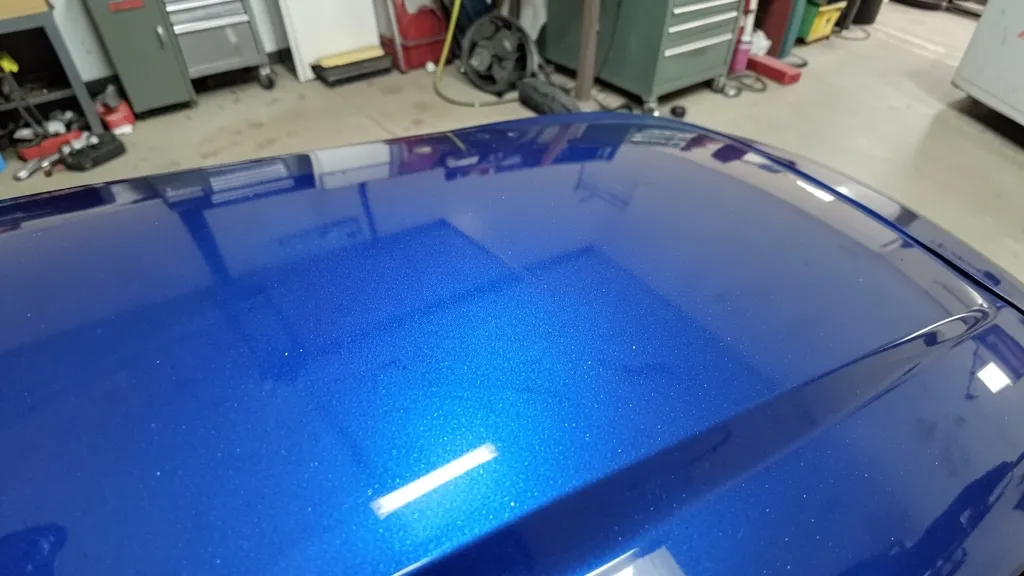
Metallic and pearlescent finishes, popular on luxury brands, show swirl marks and water spots more easily. A ceramic layer enhances depth and gloss while shielding the delicate flakes.
Matte and satin finishes, often seen on high-end European models, require specialized ceramic products. Traditional waxes or sealants can ruin these surfaces, but nano-ceramic coatings preserve the unique look.
Top Vehicle Makes and Models for Ceramic Coating in Setauket
Luxury brands like Mercedes-Benz, BMW, and Audi often feature soft, high-gloss paints that scratch easily. Their owners in Stony Brook and Centereach frequently opt for full-vehicle ceramic coating to maintain that showroom finish.
Tesla’s smooth, glossy surfaces are magnets for water spots and mineral deposits. A ceramic coating keeps them looking sleek and reduces the need for constant washing, especially after winter road salt exposure.
Performance vehicles, including Porsche and Corvette, benefit from ceramic’s heat resistance. Brake dust and high-speed debris are less likely to etch the paint when protected by a nano-ceramic layer.
| Paint Type | Common Makes/Models | Key Benefit |
|---|---|---|
| Single-Stage | Classic Mustangs, Older Jeeps, Vintage VWs | Prevents staining and oxidation |
| Metallic/Pearlescent | Mercedes C-Class, BMW 5 Series, Lexus RX | Enhances depth and scratch resistance |
| Matte/Satin | Audi R8, Lamborghini Huracán, Range Rover SV | Preserves finish without altering appearance |
| Glossy Clear Coat | Tesla Model S, Porsche 911, Chevrolet Corvette | Maximizes hydrophobicity and UV protection |
Seasonal Considerations for Ceramic Coating in Setauket
Spring and fall are ideal times for application. Mild temperatures and lower humidity allow the coating to cure properly without interference from extreme heat or cold.
Winter installations are possible, but we recommend indoor application to avoid contamination from road salt or freezing temps. Summer’s high heat can cause the coating to flash-cure too quickly, reducing bonding strength.
Long Island’s coastal humidity can sabotage improperly applied coatings. Professional climate-controlled bays ensure optimal adhesion and longevity.
How Ceramic Coating Compares to Other Protection Methods
Waxes and sealants offer temporary protection, lasting weeks to months. They lack the durability and hardness of ceramic coatings, which can endure for years with proper care.
Paint Protection Film (PPF) provides superior defense against rock chips and deep scratches. However, it lacks the self-cleaning and hydrophobic properties of ceramic. Many local clients in Poquott combine both for ultimate protection.
Ceramic window tint complements full-vehicle coatings by reducing UV exposure inside the cabin. This pairing is popular among Setauket drivers who want comprehensive, long-term protection.
Prepping Your Car for Ceramic Coating: The Non-Negotiables
Paint correction is a must. Swirl marks, oxidation, or water spots trapped under a ceramic coating will be permanent. Our team uses multi-stage polishing to achieve a flawless base.
Decontamination is critical. Iron particles, tar, and industrial fallout must be removed using clay bars and specialized cleaners. Skipping this step risks poor adhesion and premature failure.
A final alcohol wipe-down ensures no oils or residues remain. This step helps the ceramic coating bond directly to the clear coat for maximum durability.
Pre-Coating Checklist
- Full vehicle wash with pH-neutral soap
- Clay bar decontamination
- Paint thickness measurement to avoid over-polishing
- Multi-stage correction for swirls and scratches
- Final surface prep with isopropyl alcohol
Longevity and Maintenance: What Setauket Drivers Need to Know
A professionally applied ceramic coating lasts 2–5 years, depending on the product and maintenance. Harsh local conditions, like winter salt and summer pollen, can shorten this lifespan without proper care.
Regular washing with a pH-neutral shampoo and microfiber towels preserves the coating’s hydrophobic properties. Automatic car washes with harsh brushes or chemicals should be avoided.
Annual inspections help catch early signs of wear. Touch-ups or reapplication may be needed for high-impact areas like the hood, bumper, and roof.
How to Choose the Right Ceramic Coating for Your Car
Choosing a ceramic coating depends on your vehicle, usage, and budget.
- 1Assess Your Paint Condition
Start with a professional paint inspection. Heavy swirls or oxidation may require correction before coating. Request a quote to evaluate your car’s needs.
- 2Determine Your Protection Goals
Decide if you prioritize gloss enhancement, scratch resistance, or chemical protection. Some coatings excel in one area, while premium options deliver all three.
- 3Consider Your Driving Environment
Frequent highway driving or parking near the water in Port Jefferson? Opt for a coating with strong self-cleaning and hydrophobic properties to combat contaminants.
- 4Evaluate Longevity vs. Cost
Entry-level coatings last 1–2 years, while professional-grade options can exceed 5 years. Longer durability often justifies the investment, especially for luxury or collector cars.
- 5Consult a Local Expert
Our team can match your vehicle’s paint type, color, and usage to the ideal ceramic product. Factors like paint porosity, color depth, and exposure to elements all play a role.
Frequently Asked Questions
Does ceramic coating work on older cars in Setauket?
Absolutely. Older vehicles, especially those with single-stage paint, often benefit the most from ceramic coating. However, paint correction is usually required to address existing damage before application. Request a quote to assess your car’s suitability.
Can I apply ceramic coating over existing wax or sealant?
No. Wax or sealant residues must be completely removed before applying ceramic coating. These products create a barrier that prevents proper bonding, leading to premature failure. Professional decontamination is essential.
How does ceramic coating perform in Setauket’s winter conditions?
Ceramic coatings excel in winter by repelling road salt, slush, and ice. The hydrophobic surface makes it easier to wash off contaminants, reducing the risk of corrosion and paint damage. However, regular washing is still recommended.
Is ceramic coating worth it for a daily driver in Stony Brook or Centereach?
For daily drivers, ceramic coating reduces maintenance time and protects against environmental damage. The upfront cost is offset by long-term savings on detailing, waxing, and paint correction. It’s a smart investment for preserving your car’s value.
What’s the difference between ceramic coating and Paint Protection Film (PPF)?
Ceramic coating is a liquid applied to the entire vehicle, offering UV protection, hydrophobicity, and chemical resistance. PPF is a physical film that protects against rock chips and scratches. Many drivers in Old Field and Poquott use both for comprehensive protection.
Can ceramic coating be applied to wheels and brake calipers?
Yes. Wheel and brake caliper ceramic coatings are specially formulated to withstand high temperatures and brake dust. This service is popular among performance car owners in Setauket who want to simplify cleaning and prevent corrosion.